If your skin feels tight, looks red, or reacts to almost everything, the fix usually starts with your skin barrier. And some of the gentlest, most effective ways to support that barrier are plant oils. The right oils replenish the lipids your barrier is made of, help skin hold onto water, and calm the look of redness, all without harsh actives.
This is your guide to the best oils for skin barrier repair: what the barrier actually is, how oils help, which oils to look for, and how to use them for calmer, stronger, more comfortable skin.
What Does Skin Barrier Repair Mean?
Your skin barrier is the outermost layer of skin, a mix of skin cells and lipids (fats) that locks moisture in and keeps irritants out. When it is healthy, skin feels calm, smooth, and hydrated. When it is compromised by over-cleansing, harsh actives, weather, or travel, skin can feel tight and dry and look red or flaky. Barrier repair simply means giving skin what it needs to rebuild that protective layer, and plant oils are one of the most barrier-friendly ways to do it. For a deeper look, read why barrier repair is essential for sensitive skin.
How Oils Support the Skin Barrier
The barrier is held together by lipids, and many plant oils are rich in the same fatty acids your skin uses to build them. The most useful for barrier support is linoleic acid, an omega-6 fatty acid that helps reinforce the barrier and is especially suited to sensitive and breakout-prone skin. Oils also form a light, breathable layer on the surface that slows water loss, so hydration stays where you want it. Add antioxidant vitamins like C and E, and you get protection from daily environmental stress on top of the conditioning.
The Best Oils for Skin Barrier Repair
Here are the plant oils and antioxidants that do the most for a compromised barrier, each with a full guide if you want to go deeper.

1. Sunflower Oil
One of the lightest, most barrier-friendly oils, high in linoleic acid and naturally rich in vitamin E. It absorbs fast and suits sensitive, reactive skin, which makes it a great everyday choice. See sunflower oil for skin.

2. Safflower Oil
Even higher in linoleic acid than sunflower and one of the least pore-clogging oils, so it is ideal for combination or blemish-prone skin that still wants barrier support. See safflower oil for skin.

3. Avocado Oil
A richer, omega-dense oil that deeply conditions dry, depleted skin and replenishes lipids for lasting comfort. See avocado oil for skin.

4. Pumpkin Seed Oil
Nutrient-rich and full of vitamin E and barrier-building fatty acids, it supports elasticity and locks in long-lasting moisture. See pumpkin seed oil benefits for skin.

5. Rice Bran Extract
An antioxidant-rich extract powered by gamma-oryzanol and ferulic acid that helps brighten and even the look of skin while protecting the barrier. See rice bran extract for skin.

6. Castor Oil
A rich, moisture-sealing oil that softens rough patches and helps lock hydration in, useful for very dry areas. See castor oil for skin.

7. Vitamin E
A conditioning antioxidant that soothes and seals in moisture while defending against oxidative stress, and it pairs beautifully with vitamin C. See vitamin E oil for skin.

8. Vitamin C
A brightening antioxidant that helps revive dull, uneven skin and protect against daily environmental stress. See vitamin C for skin.

9. Rosemary Extract
A soothing antioxidant that helps neutralize free radicals and keep skin looking fresh, clear, and balanced. See rosemary extract for skin.
What to Look For in a Barrier-Supporting Oil
- High in linoleic acid. Lighter, high-linoleic oils like sunflower and safflower are the most barrier-friendly and least likely to clog pores.
- A balanced blend. Richer oils like avocado and pumpkin bring deep nourishment, so a blend of light and rich oils gives comfort without heaviness.
- Antioxidant support. Vitamins C and E add protection from daily environmental stress.
- Fragrance-free or gently scented. Sensitive, barrier-compromised skin does best without heavy synthetic fragrance.
How to Use Oils for Barrier Repair
Oils work best on clean, slightly damp skin, since they help seal in the water already there. Warm a few drops between your palms and press them over the body or face after a shower. Use daily for the best results, and keep the rest of your routine simple while your skin recovers, pausing scrubs and strong actives until it feels calmer. A barrier usually needs two to four weeks of gentle, consistent care to feel stronger.
Our Barrier-Enhancing Body Oil
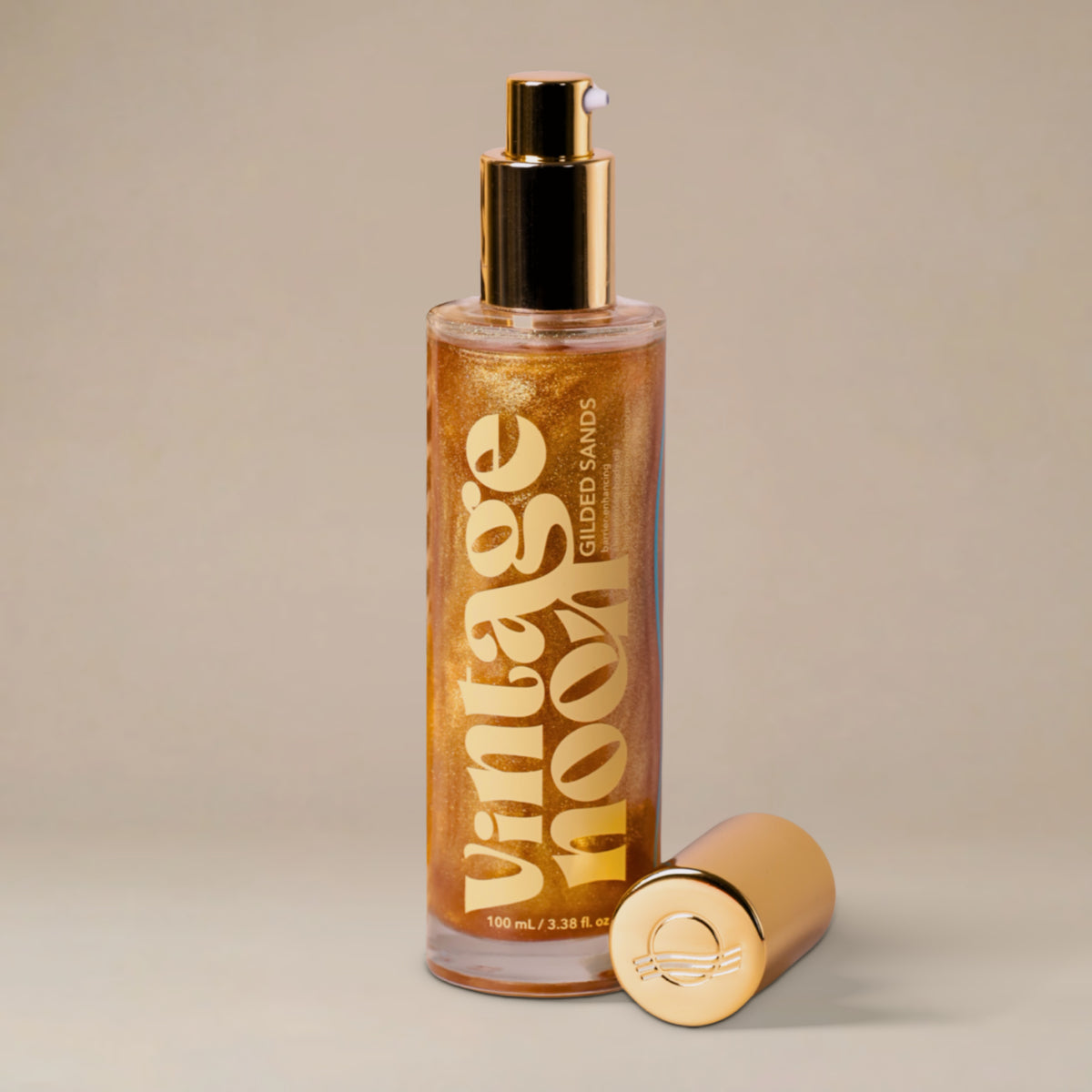
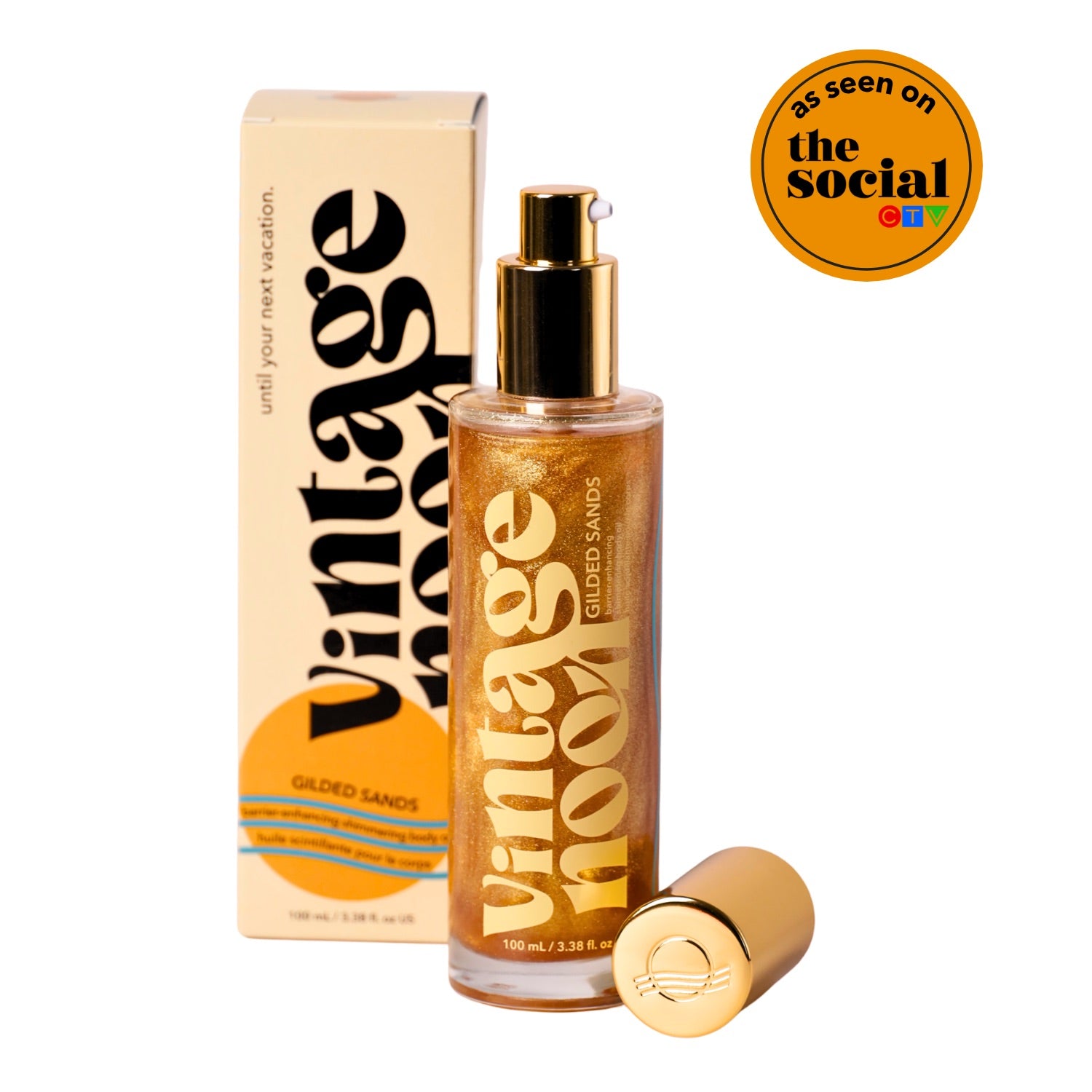
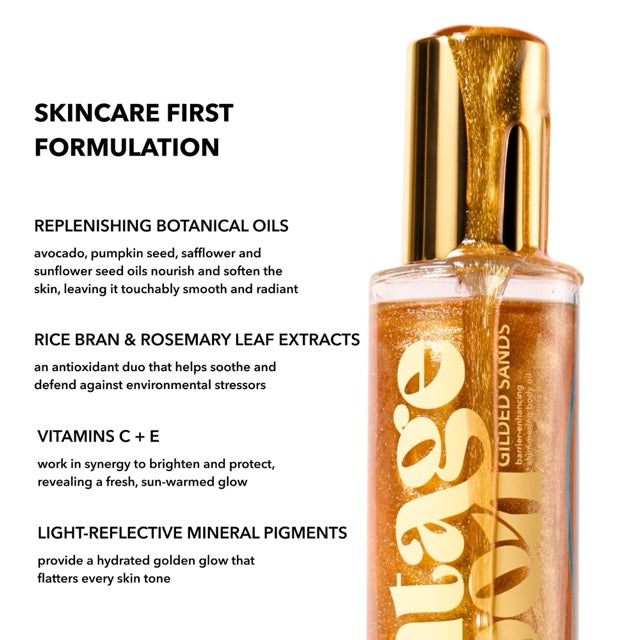
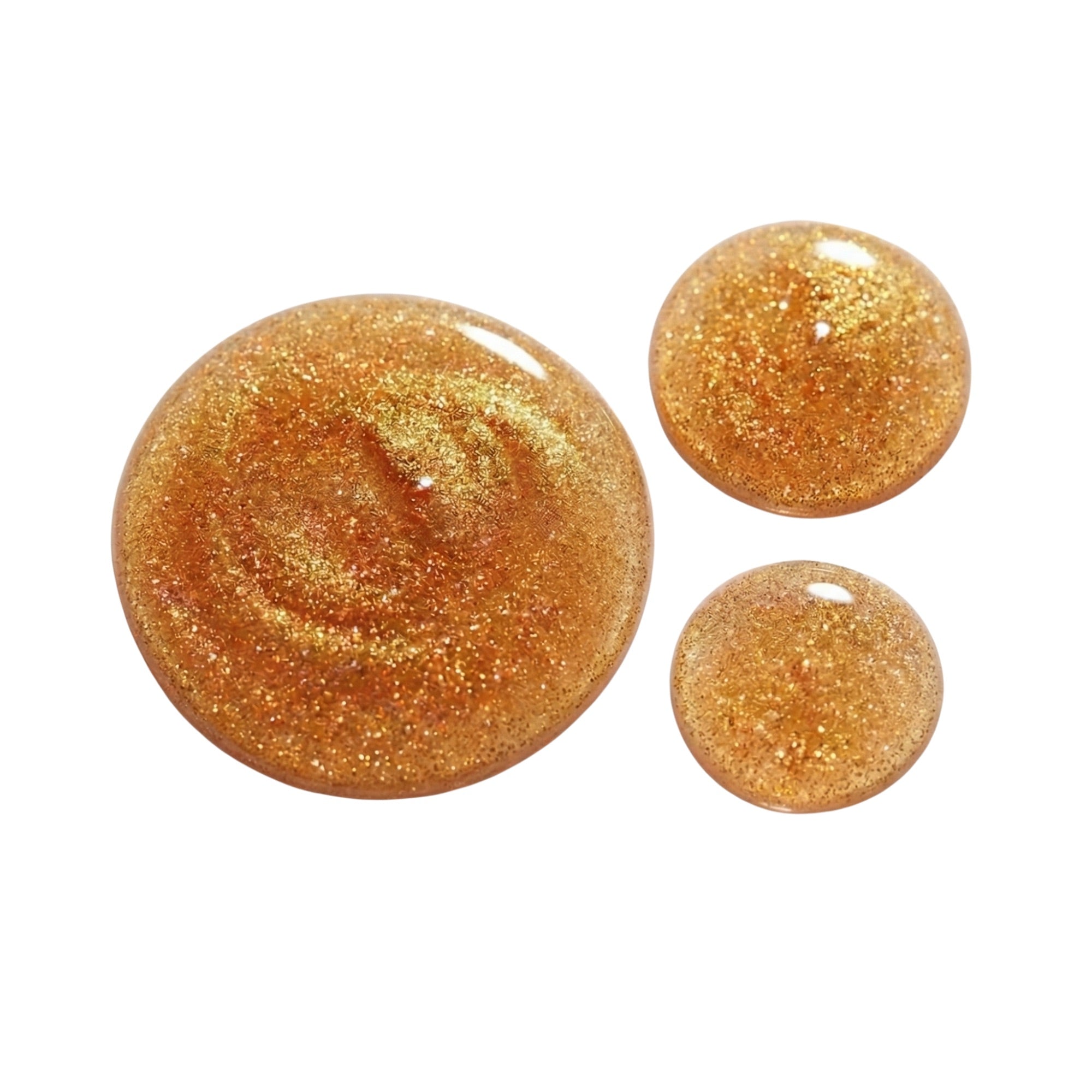
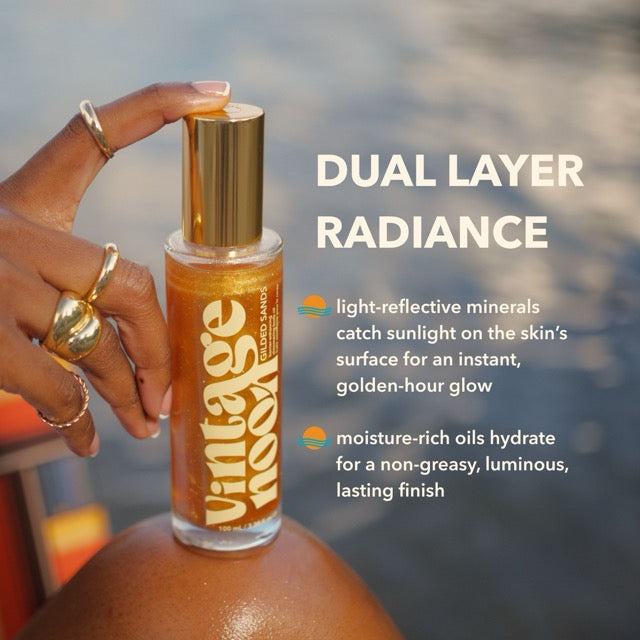
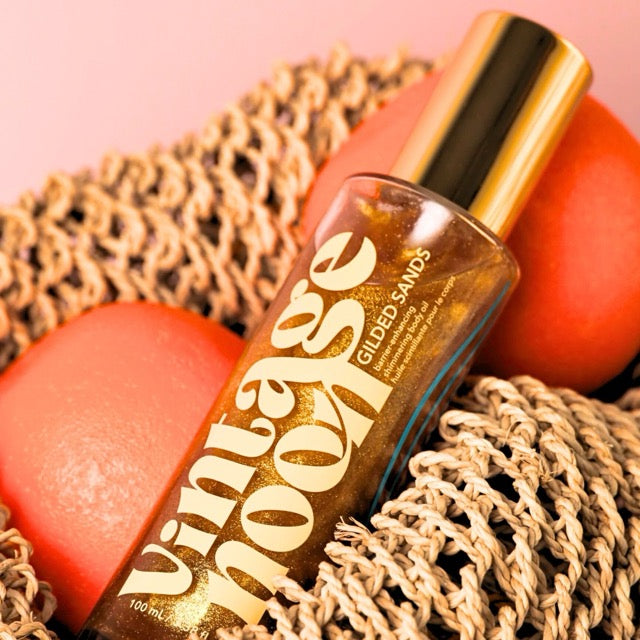
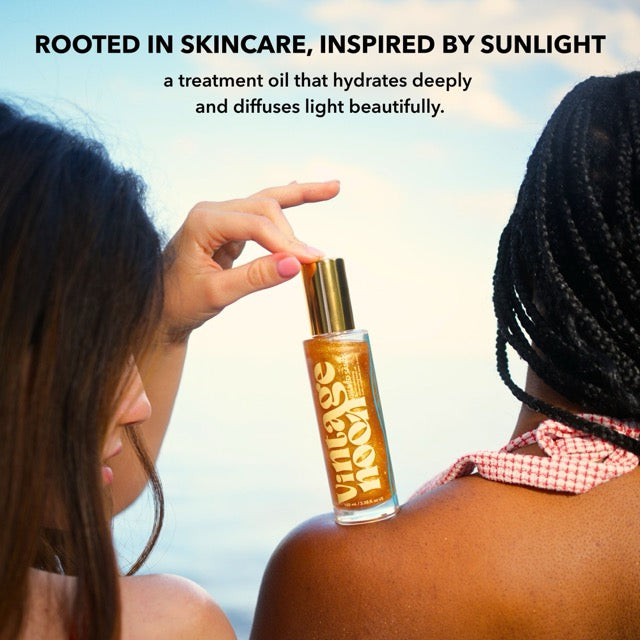
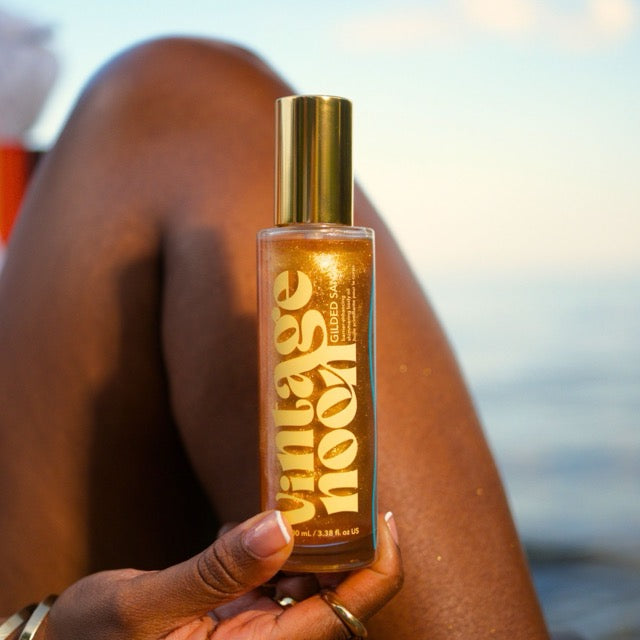
Our Gilded Sands Barrier-Enhancing Shimmering Body Oil brings many of these oils together in one blend. It combines seven botanical oils chosen to mirror the skin's own lipids, including light, high-linoleic sunflower and safflower, richer avocado and pumpkin seed, plus vitamins C and E and soothing rice bran and rosemary extracts. The result nourishes and helps support the moisture barrier, then finishes with a soft, golden glow from a light-reflecting mineral shimmer. It is made in Canada, lightly scented with natural Sicilian blood orange, and designed for sensitive, redness-prone skin.
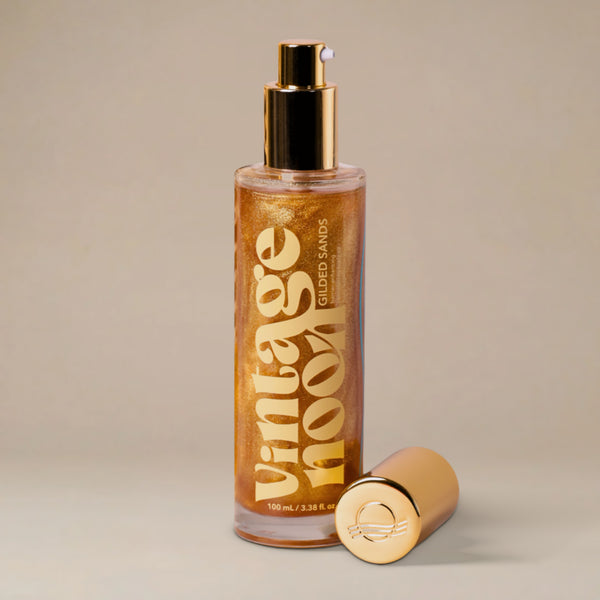
gilded sands shimmering body oil
Seven botanical oils with vitamins C and E in a non-greasy body oil that helps support your moisture barrier and leaves a soft, golden glow.
Frequently Asked Questions
What oils are best for skin barrier repair?
Light, high-linoleic plant oils like sunflower and safflower are among the best for barrier support, alongside richer oils like avocado and pumpkin seed for nourishment. Antioxidant vitamins C and E and soothing rice bran and rosemary extracts round out a barrier-friendly blend.
Do oils actually help repair the skin barrier?
Yes. Plant oils are rich in the same fatty acids your barrier is built from, so they help replenish lipids and slow water loss, which supports a calmer, stronger-looking barrier. They are a gentle, non-stripping way to care for compromised skin.
Are oils good for a sensitive skin barrier?
Very. Gentle, high-linoleic oils suit sensitive, reactive, redness-prone skin because they support the barrier without exfoliating or stripping it. Choose fragrance-free or lightly scented blends and patch test first if your skin reacts easily.
How do you use oil for barrier repair?
Apply a few drops to clean, slightly damp skin after a shower to seal in moisture, and use it daily. Keep the rest of your routine simple and gentle while your barrier recovers.
Ready to support your barrier with a blend of these oils in one non-greasy, glow-giving formula? Meet Gilded Sands.