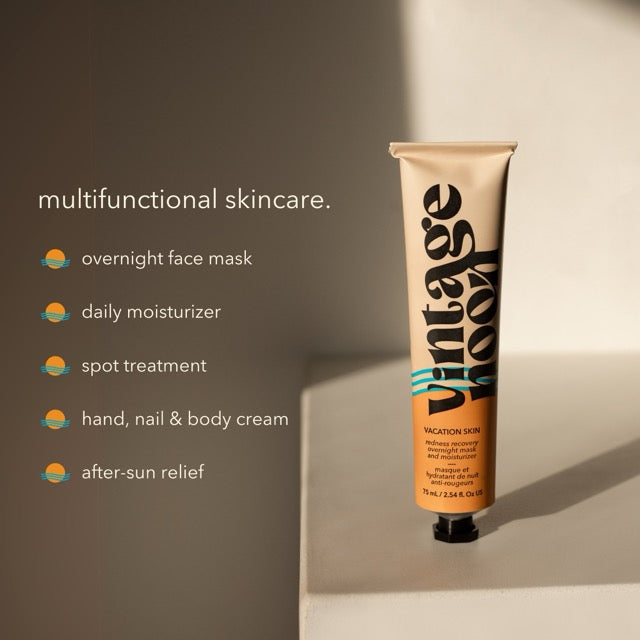
If your face ever feels tight, looks dull, or shows every fine dry line by the end of the day, hyaluronic acid is the ingredient you want. It is the closest thing skincare has to a hydration magnet, pulling water into the skin so your face looks plumper, smoother, and more comfortable. It is gentle enough for the most reactive skin, which is exactly why we built it into Vacation Skin, and here is what it does for you.
What Is Hyaluronic Acid?
Hyaluronic acid is a humectant, an ingredient that attracts and holds water. Your skin makes it naturally, where it keeps tissue hydrated and cushioned, but levels drop over time and in dry conditions. In skincare it is prized because it can bind many times its own weight in water, drawing moisture into the upper layers of the skin so the surface looks smoother and feels supple. Because it hydrates rather than exfoliates or strips, it suits virtually every skin type, including sensitive and reactive skin.
Hyaluronic Acid Benefits for the Face
- Plumps and smooths. By flooding skin with water, it makes the face look fuller and softer, so fine dry lines appear softened.
- Deep, weightless hydration. It hydrates without any grease or heaviness, so it works for oily and dry skin alike.
- Comforts tight, dehydrated skin. It relieves the tight, parched feeling that comes with dry air and over-cleansing.
- Gentle on reactive skin. Its non-irritating nature makes it one of the safest hydrators for redness-prone skin.
- Boosts your whole routine. Hydrated skin looks brighter, wears makeup better, and gets more out of every other product.
Hyaluronic Acid vs Sodium Hyaluronate
You will often see sodium hyaluronate on the ingredient list instead of hyaluronic acid, and this is a good sign, not a downgrade. Sodium hyaluronate is the salt form of hyaluronic acid, with a smaller molecular size that absorbs more easily and stays more stable in a formula. It does the same job, drawing water into the skin, which is why thoughtfully made products, including ours, often choose it for reliable, lightweight hydration.
Is Hyaluronic Acid Good for Sensitive Skin?
Yes, and it is one of the smartest choices for it. Hyaluronic acid does not change your skin's pH, exfoliate, or disrupt the barrier, it simply adds water, so it rarely causes stinging or reactions. That makes it a perfect partner for soothing and barrier-repairing ingredients when skin feels dry, tight, or flushed. There is one trick worth knowing: in very dry air, apply it to damp skin and seal it with a moisturizer, so the water it attracts stays in your skin rather than evaporating away.
How to Use Hyaluronic Acid
Hyaluronic acid works best on slightly damp skin. After cleansing, while your face is still a little wet, apply your hyaluronic acid serum or a moisturizer that contains it, then lock it in with a richer cream or an overnight mask. It is gentle enough for morning and night, and it is a lifesaver in dry, barrier-stressing conditions, from winter heating to long flights, when skin loses water fast.
Why We Use Hyaluronic Acid in Vacation Skin
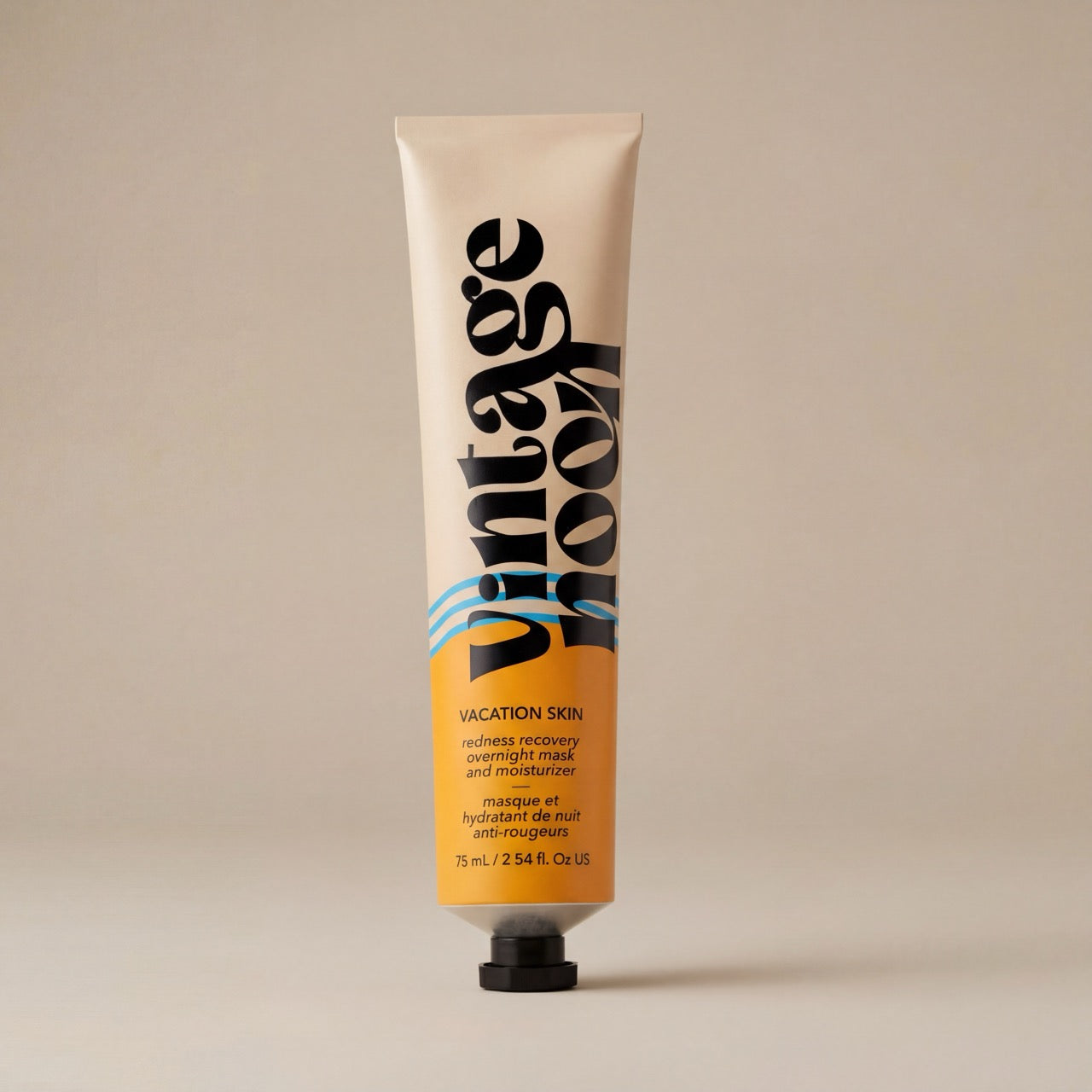
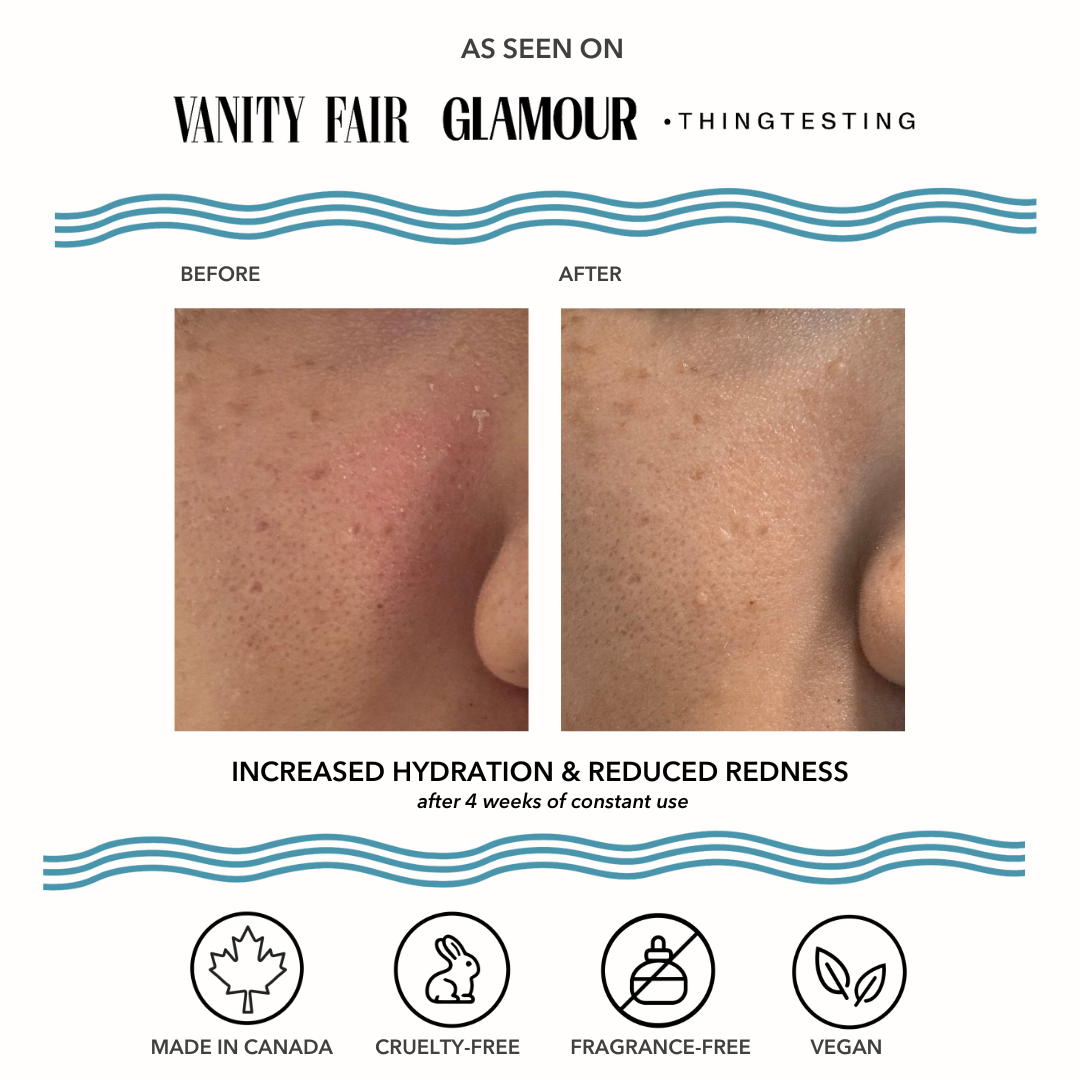
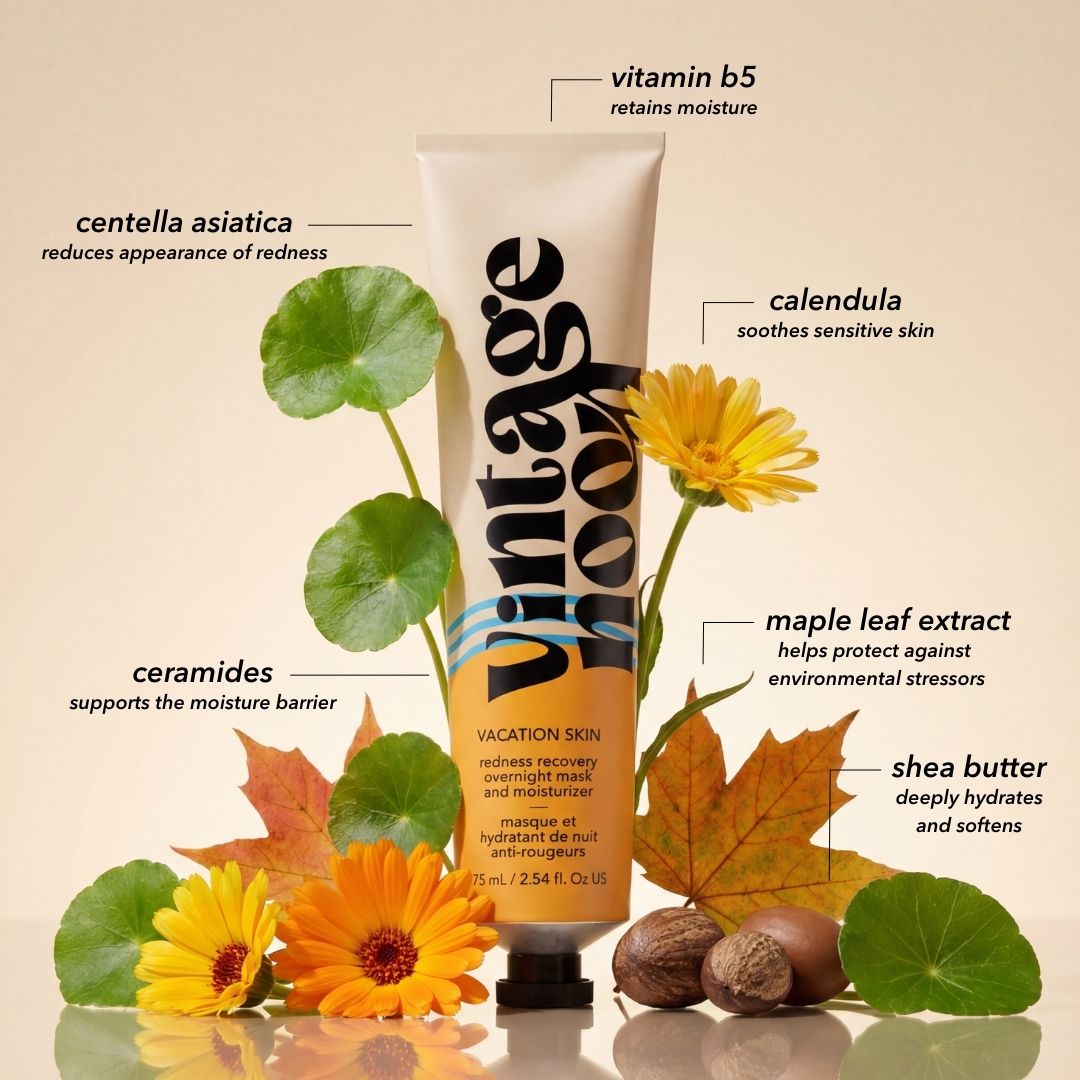
Our Vacation Skin Redness Recovery Overnight Mask and Moisturizer uses sodium hyaluronate, the stable, lightweight form of hyaluronic acid, so your skin wakes up plumper and more hydrated. We paired it with barrier-supporting ceramides and glycerin, soothing Centella and Calendula, and lightweight squalane, so the hydration is not just delivered but sealed in and supported overnight. It is made in Canada and fragrance-free, designed for sensitive, redness-prone skin.
Frequently Asked Questions
What does hyaluronic acid do for your skin?
Hyaluronic acid is a humectant that draws water into the skin, so the face looks plumper, feels softer, and stays hydrated. It also helps soften the look of fine dry lines and keeps skin comfortable.
Is hyaluronic acid the same as sodium hyaluronate?
They are closely related. Sodium hyaluronate is the salt form of hyaluronic acid, with a smaller molecular size that absorbs easily and stays stable. Both hydrate skin the same way.
Is hyaluronic acid good for sensitive skin?
Very. It hydrates without exfoliating or stripping, so it is one of the gentlest ingredients for dry, reactive, redness-prone skin. Apply it to damp skin and seal with a moisturizer for the best result.
Can you use hyaluronic acid every day?
Yes. Hyaluronic acid is gentle enough for daily use, morning and night. Layering it under a moisturizer or overnight mask helps hold the hydration in, especially in dry air.
Want lasting, sensitive-skin-friendly hydration from hyaluronic acid overnight? Meet Vacation Skin.