Vitamin C gets almost all its attention as a face serum, but it has a real place in body care too. On the body, it is not about chasing a percentage on a serum label, it is about brightening dull, uneven skin and defending against the daily stress that leaves arms, legs, and shoulders looking tired. Here is what vitamin C actually does for the skin on your body, and how to get the glow without the fuss.
What Vitamin C Does for Skin
Vitamin C is an antioxidant, which means its main job is neutralizing free radicals, the unstable molecules created by sun, pollution, and everyday environmental stress. Left unchecked, that stress shows up as dullness and uneven tone. Vitamin C also supports the skin's natural collagen, which is part of why it is so associated with a fresh, bright, healthy-looking finish. In a body oil, a stable form of vitamin C brings that brightening, protective quality to skin that rarely gets the same care as the face.
Vitamin C Benefits for the Body
- Brightens dull skin. It helps revive tired, lacklustre-looking skin on the arms, legs, and shoulders for a fresher, more radiant look.
- Evens the look of tone. Regular use helps skin look clearer and more uniform, softening the appearance of uneven patches.
- Defends against daily stress. As an antioxidant, it helps protect skin from the free radicals created by sun and pollution.
- Pairs with vitamin E. Vitamin C and vitamin E work better together, boosting each other's antioxidant power.
- Enhances a glow. Brighter, more even skin simply catches the light better, which is ideal in a body oil.
Why Stability Matters More Than Strength
Here is the thing most people do not realize about vitamin C: pure vitamin C (L-ascorbic acid) is famously unstable. It oxidizes when exposed to light and air, which is why some serums turn brown and lose their punch. In a body product, a well-chosen, stable form of vitamin C is far more useful than a high number on a label, because it stays effective and does not leave skin sensitive to daylight the way raw ascorbic acid can. Stable, non-photosensitizing vitamin C is the kind you actually want on skin you wear out in the sun.
Is Vitamin C Good for Sensitive Skin?
It can be, as long as the form is right. Traditional high-strength L-ascorbic acid can sting or feel tingly on reactive skin. Gentler, stable derivatives deliver the brightening and antioxidant benefits with far less risk of irritation, which makes them a smart choice for sensitive, redness-prone skin. As always, patch test a new product first.
How to Use Vitamin C on Your Body
Apply vitamin C to clean skin, and it layers beautifully in a body oil pressed over damp skin after a shower. Because it partners so well with vitamin E and other antioxidants, it works best as part of a blend rather than in isolation. Used consistently, it helps keep body skin looking bright and even. If you are out in strong sun, remember that antioxidants support your sunscreen, they do not replace it.
Why We Use Vitamin C in Gilded Sands
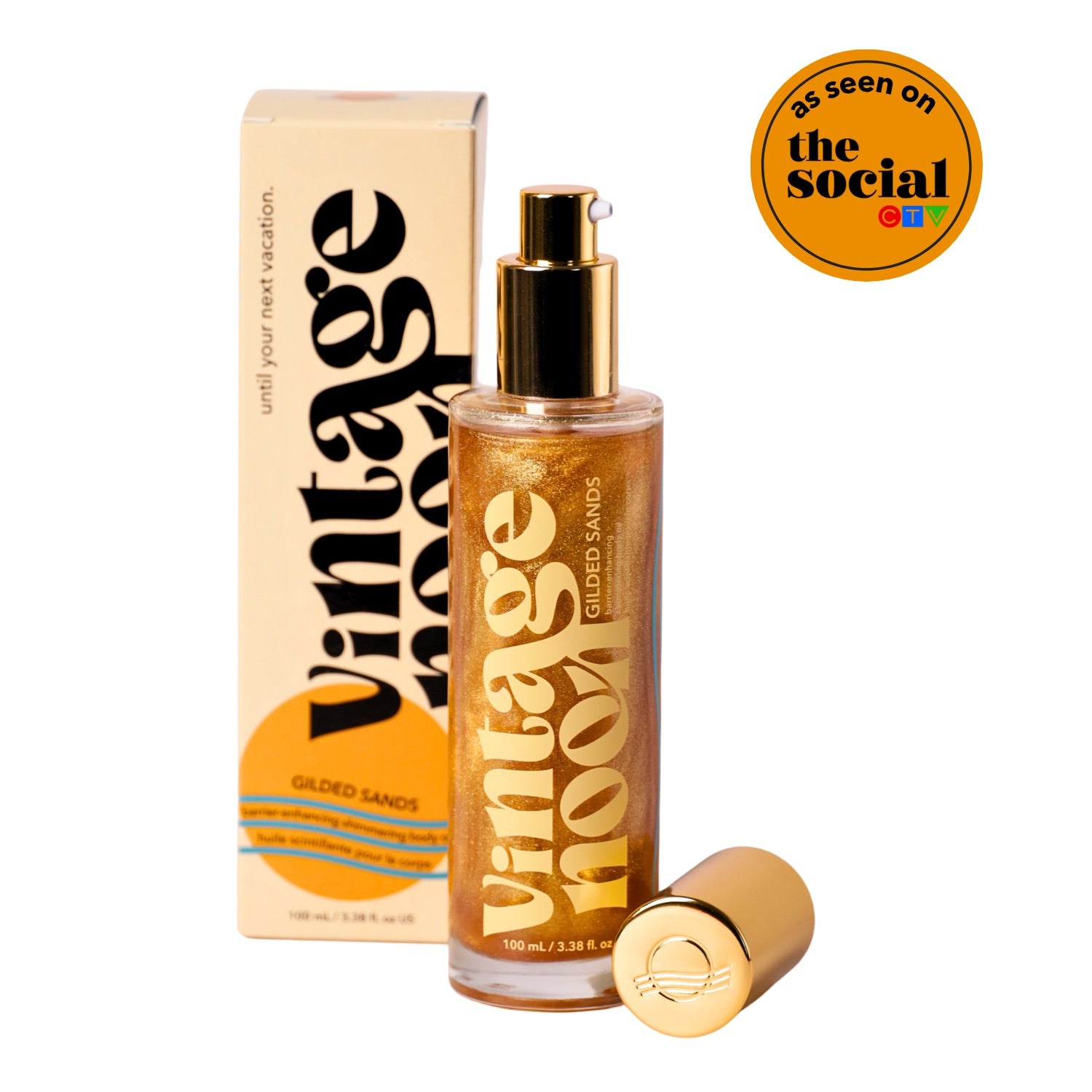
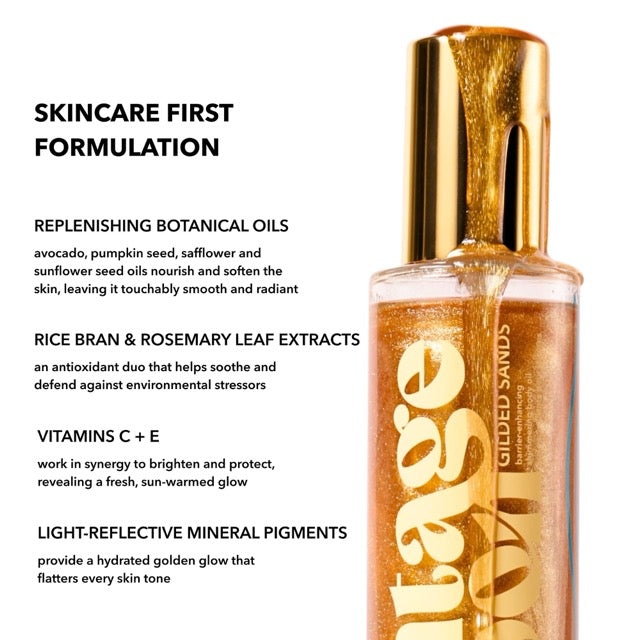
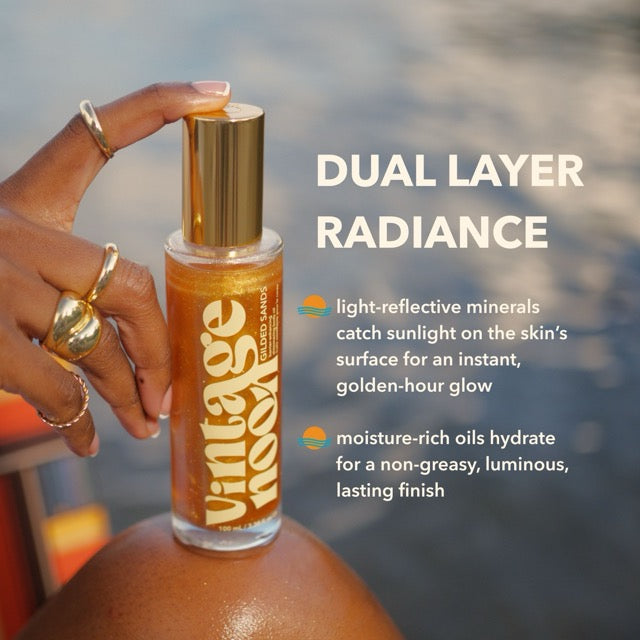
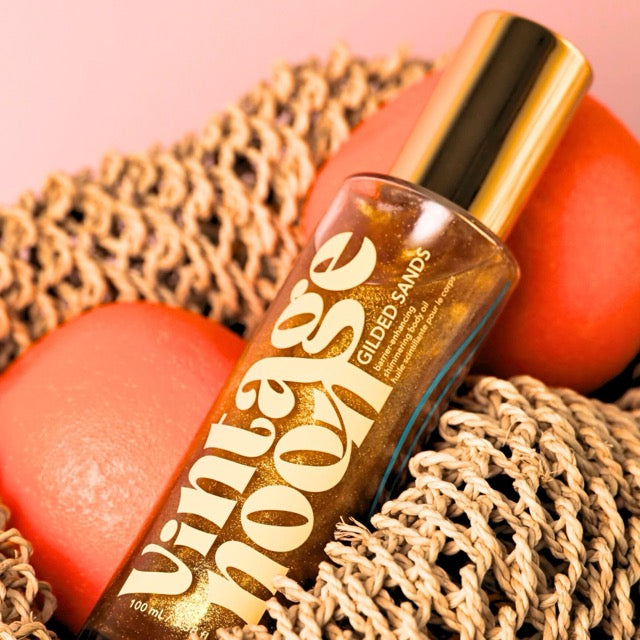
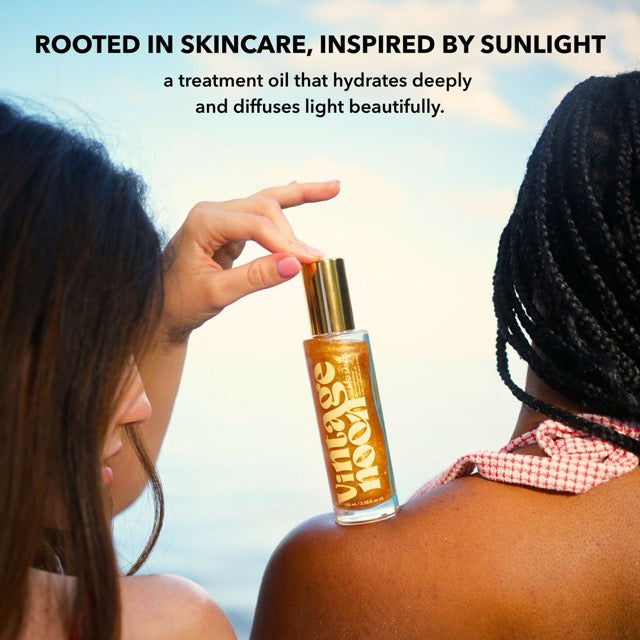
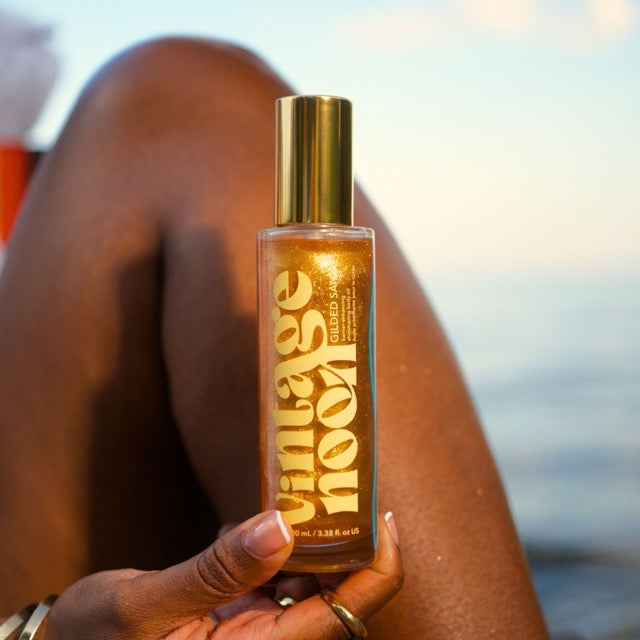
Our Gilded Sands Barrier-Enhancing Shimmering Body Oil uses a stabilized, non-photosensitizing form of vitamin C, so it stays effective and works comfortably even in daylight. It pairs with vitamin E and brightening rice bran extract for layered antioxidant protection, while barrier-supporting oils like avocado, pumpkin seed, and high-linoleic sunflower and safflower keep sensitive skin nourished and comfortable. The brightening works with the formula's light-reflecting shimmer to help skin look fresh, even, and glowing. It is made in Canada and lightly scented with natural Sicilian blood orange. To see how the whole blend supports the barrier, read our guide to the best oils for skin barrier repair.
Frequently Asked Questions
What does vitamin C do for your skin?
Vitamin C is an antioxidant that helps brighten dull skin, even the look of tone, and defend against daily environmental stress from sun and pollution. It also supports the skin's natural collagen for a fresh, healthy-looking finish.
Can you use vitamin C on your body?
Yes. Vitamin C is just as useful on the body as the face, especially for brightening dull, uneven skin on the arms, legs, and shoulders. A stable form in a body oil is an easy way to use it.
Is vitamin C good for sensitive skin?
It can be, if the form is gentle. Stable vitamin C derivatives deliver brightening and antioxidant benefits with far less risk of stinging than traditional high-strength L-ascorbic acid, making them a better fit for reactive skin.
Does vitamin C make your skin sensitive to the sun?
Pure L-ascorbic acid can. A stabilized, non-photosensitizing form does not, which is why it is the better choice for skin you wear out in daylight. Antioxidants support sunscreen, but do not replace it.
Want stable, brightening vitamin C in a non-greasy body oil built for a glow? Meet Gilded Sands.