If you have ever avoided body oils because you think your skin is too oily or too breakout-prone for them, safflower oil is the one that changes your mind. It is the featherweight of plant oils, the lightest and cleanest-absorbing of the bunch, and it is uniquely suited to skin that gets bumpy, congested, or shiny. We chose it for exactly that reason, and here is what it does for you.
What Makes Safflower Oil Unique
Safflower oil is pressed from the seeds of the safflower flower, and the type used in skincare is exceptionally high in linoleic acid, higher than almost any other common oil. That matters more than it sounds. Skin that breaks out is often low in linoleic acid, so a high-linoleic oil like safflower helps top it up, which is why it feels balancing rather than greasy. It is also one of the least pore-clogging oils you can use, so it delivers real conditioning without the congestion heavier oils can cause.
Safflower Oil Benefits for the Body
- Absorbs almost instantly. Among plant oils, safflower is one of the lightest and fastest to sink in, leaving next to no residue.
- Balances breakout-prone skin. Its high linoleic content suits skin that gets bumpy or congested on the chest, back, and arms.
- Very low pore-clogging risk. It sits near the bottom of the comedogenic scale, so it rarely causes congestion.
- Strengthens the barrier. Like other high-linoleic oils, it helps reinforce the skin's moisture barrier so it holds hydration.
- Keeps a dry-touch finish. It conditions without heaviness, so it layers cleanly under clothing.
Best for Blemish-Prone and Combination Body Skin
The body breaks out too, on the chest, the back, and the backs of the arms, and heavy products often make it worse. This is where safflower shines. Because it is so light and high in linoleic acid, it conditions these areas without clogging them, helping skin look clearer and more balanced rather than greasy. If you deal with body breakouts or those rough little bumps on your upper arms, a high-linoleic oil like safflower is one of the smartest oils you can reach for.
Safflower Oil vs Sunflower Oil
Safflower and sunflower oil are close cousins, both light, high-linoleic, and barrier-friendly. The difference is emphasis: safflower is even higher in linoleic acid and sits slightly lower on the comedogenic scale, so it edges ahead for oily, combination, or blemish-prone skin, while sunflower brings a little more natural vitamin E. Many formulas, including ours, use both to get the best of each.
How to Use Safflower Oil on Your Body
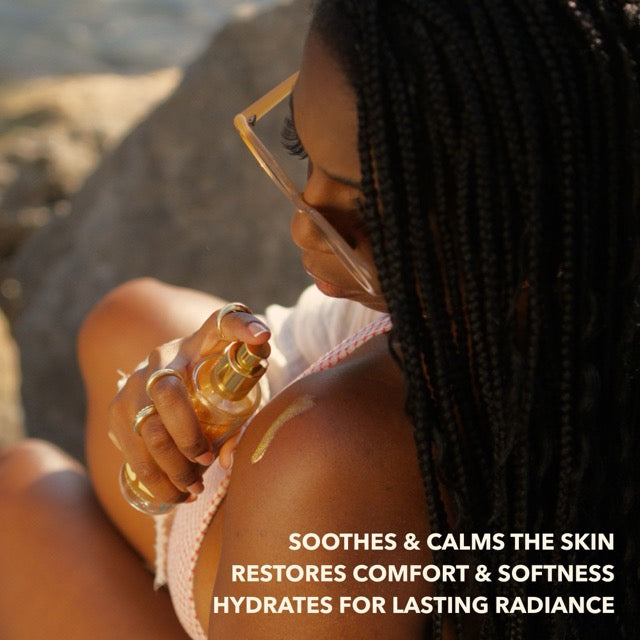
Because safflower absorbs so cleanly, it is one of the easiest oils to fit into a daily routine. Smooth a few warmed drops over damp skin after a shower, including areas prone to bumps or breakouts, and it sinks in fast enough to dress within a minute or two. It will not leave marks on clothing, and it layers well under a lighter lotion if you want extra hydration.
Why We Use Safflower Oil in Gilded Sands
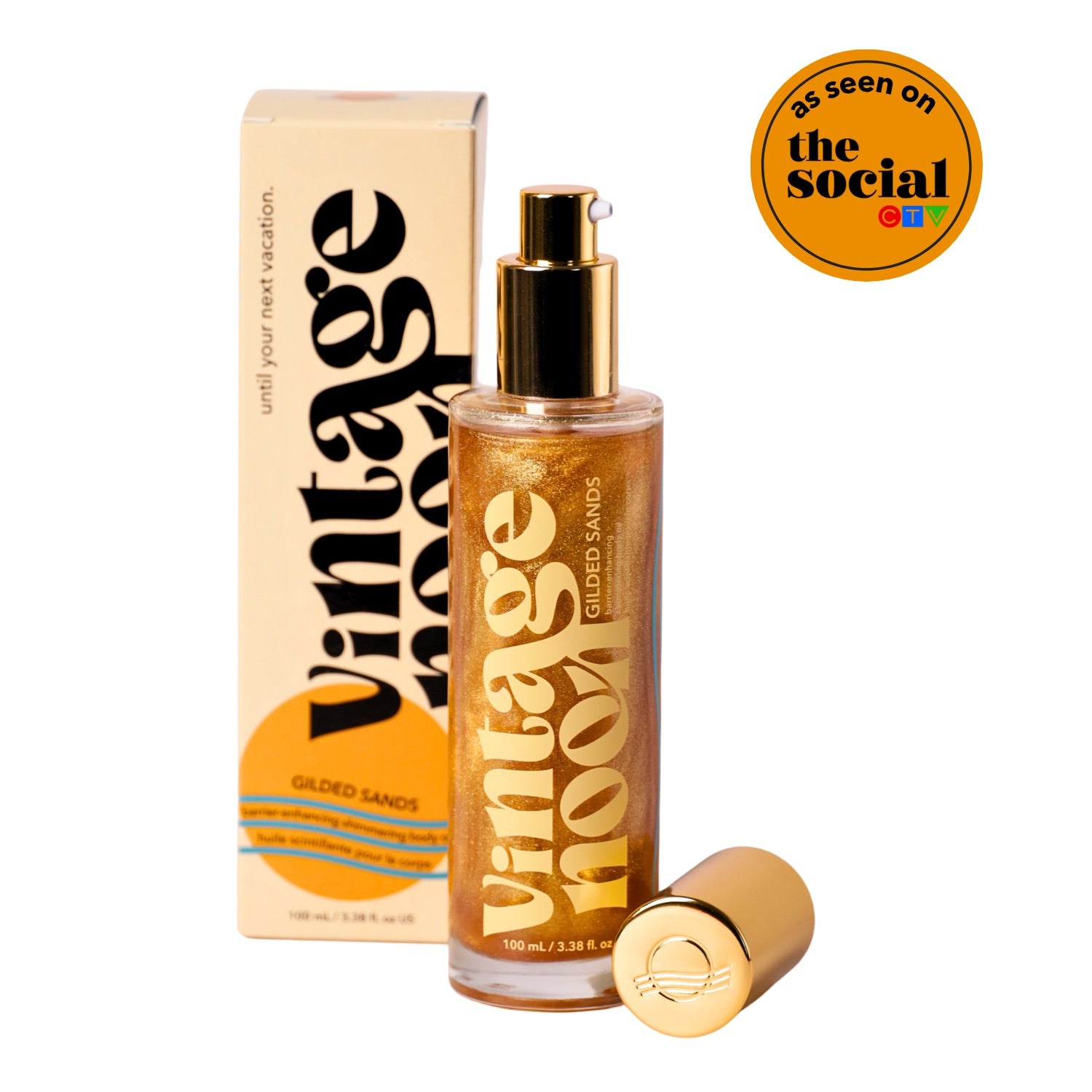
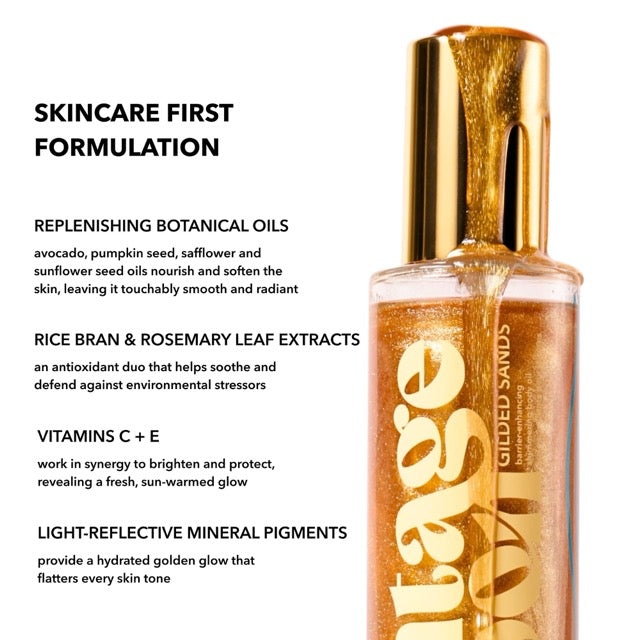
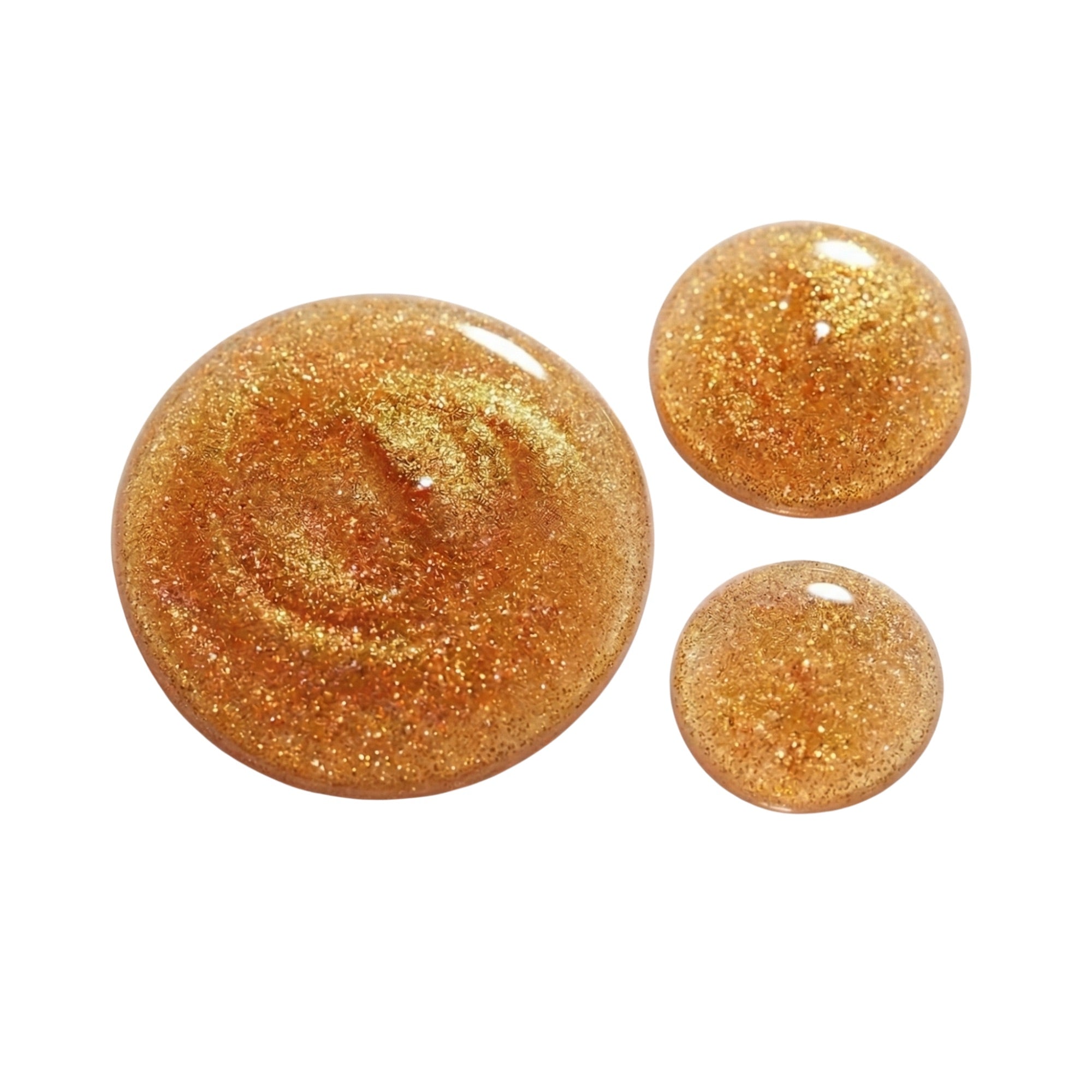
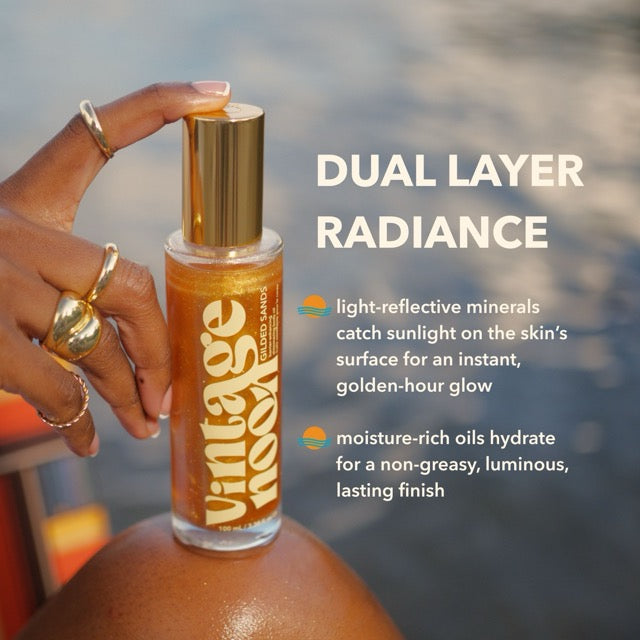
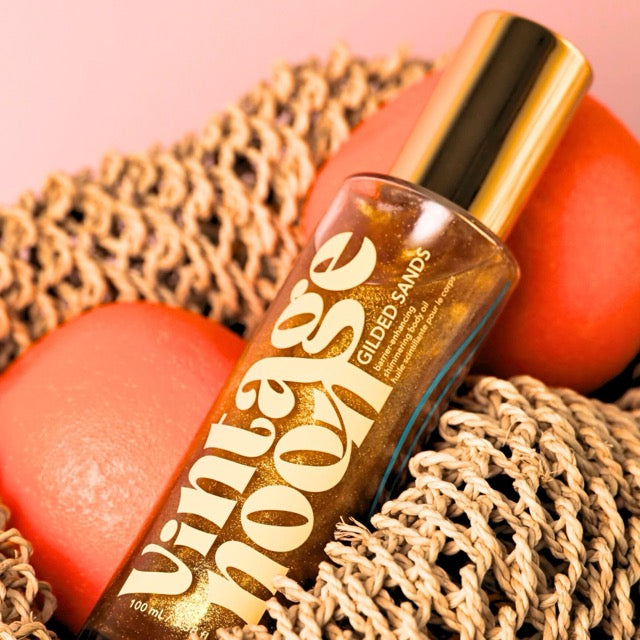
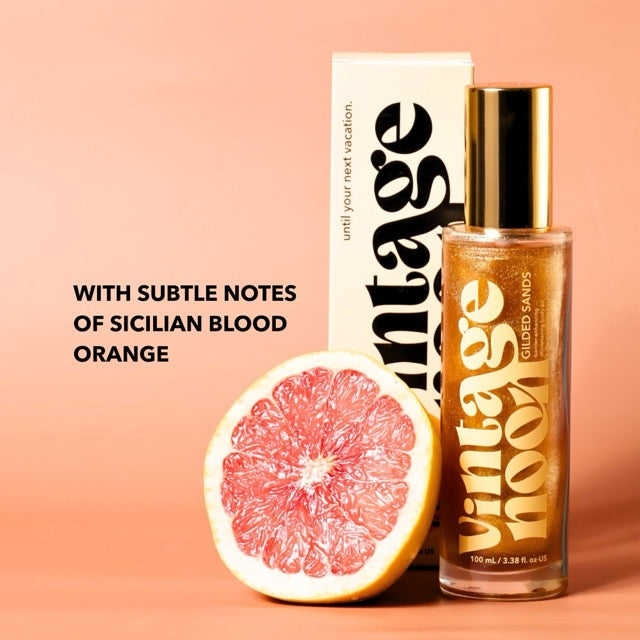
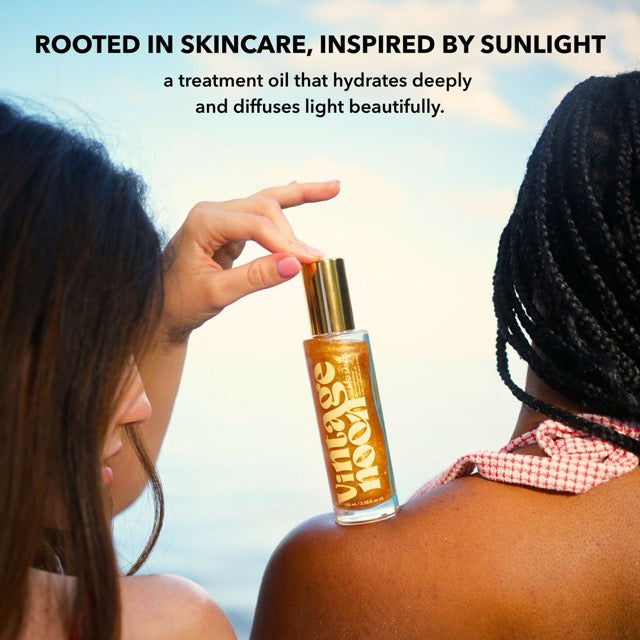
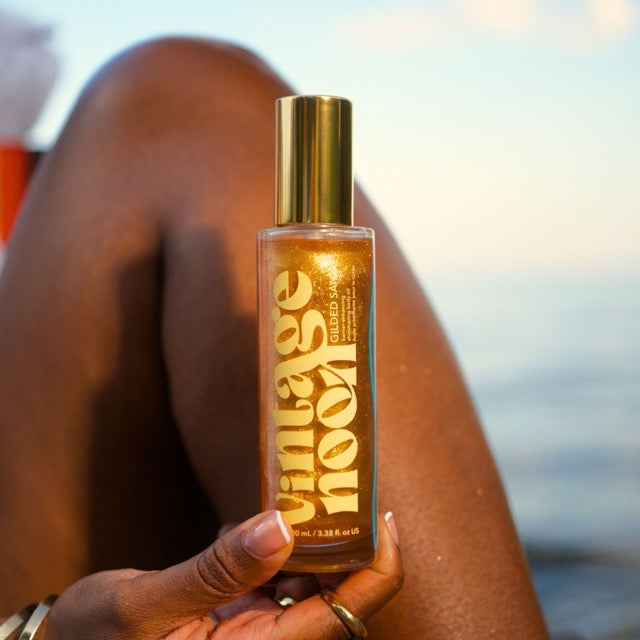
In our Gilded Sands Barrier-Enhancing Shimmering Body Oil, safflower is the clean, quick-absorbing base that keeps the whole formula light. We chose it so that richer oils like avocado and pumpkin seed could bring deep nourishment without ever feeling heavy, giving you a body oil that conditions but still sinks in with a dry-touch finish. It works alongside vitamin C and vitamin E and soothing extracts for sensitive skin, then finishes in a soft, golden glow. It is made in Canada and lightly scented with natural Sicilian blood orange. See the full picture in our guide to the best oils for skin barrier repair.
Frequently Asked Questions
What does safflower oil do for your skin?
Safflower oil is a very light, high-linoleic plant oil that conditions skin, supports the moisture barrier, and keeps a clean, non-greasy finish. Its linoleic-rich profile makes it especially suited to balancing breakout-prone skin.
Is safflower oil good for acne-prone skin?
It can be a good fit. Safflower is very high in linoleic acid and very low on the comedogenic scale, which suits skin that breaks out or gets congested, including on the body. Patch test first if your skin is reactive.
Is safflower oil the same as sunflower oil?
No, but they are close. Both are light, high-linoleic oils, but safflower is even higher in linoleic acid and slightly less pore-clogging, while sunflower carries a little more natural vitamin E.
Does safflower oil clog pores?
Rarely. Safflower sits near the bottom of the comedogenic scale, which is why it is a popular choice for blemish-prone and combination skin.
Want a light, high-linoleic oil like safflower in a non-greasy body oil built for a glow? Meet Gilded Sands.