If your skin has started to sting when you apply your usual moisturizer, flushes red for no reason, or feels tight and rough no matter how much you hydrate, your skin barrier is probably asking for help.
A compromised skin barrier is behind most cases of sudden sensitivity, redness, and dryness. The good news is that it's also one of the most repairable things in skincare. With the right approach, most people see a real difference in one to four weeks.
Here's exactly how to repair your skin barrier: what it is, how to tell it's damaged, what's wearing it down, and the simple routine that rebuilds it.
What Is Your Skin Barrier?
Your skin barrier (also called the moisture barrier) is the outermost layer of your skin. Think of it as a brick wall: skin cells are the bricks, and a blend of lipids (ceramides, fatty acids, and cholesterol) is the mortar holding everything together.
When that wall is intact, it locks moisture in and keeps irritants, bacteria, and allergens out. When it's damaged, the opposite happens. Water escapes, leaving skin dry and tight, and irritants get in, causing redness, stinging, and reactivity.
7 Signs of a Damaged Skin Barrier
Your barrier may be compromised if you notice:
- Tightness that doesn't ease after moisturizing
- Stinging or burning when you apply products that used to feel fine
- Redness and flushing, especially around the cheeks and nose
- Flaking or rough, uneven texture
- Sudden sensitivity or new reactions to familiar products
- Dehydration that layering serums won't fix
- Breakouts or small bumps from a disrupted skin microbiome
If several of these sound familiar, your barrier, not your hydration level, is likely the real problem.
What Damages Your Skin Barrier?
Most barrier damage is self-inflicted, usually by doing too much:
- Over-exfoliating with acids or scrubs
- Too many active ingredients (retinol, vitamin C, and AHAs all at once)
- Harsh, stripping cleansers that leave skin squeaky-clean
- Fragrance, one of the most common triggers for sensitive skin (here's why fragrance damages your barrier)
- Environmental stress like cold, dry air, low humidity, hard water, and travel
Not sure which products are working against you? Start with our guide to the ingredients to avoid if you have sensitive skin.
How to Repair Your Skin Barrier (Step by Step)
Repairing your barrier is less about adding products and more about removing stressors and giving your skin the building blocks to rebuild. Follow these five steps:
- Simplify your routine. Pause all actives, including retinol, vitamin C, exfoliating acids, and scrubs. For now, less is genuinely more.
- Switch to a gentle, pH-balanced cleanser. Skip foaming or "deep clean" formulas that leave skin tight. Cleanse once or twice a day, no more.
- Replace the missing lipids. Use a moisturizer with ceramides, fatty acids, and barrier-supporting botanicals to rebuild the "mortar" between skin cells.
- Lock it in. Apply a nourishing oil or overnight mask on top to seal moisture and let your skin repair while you sleep, when barrier recovery peaks.
- Protect during the day. Use a fragrance-free moisturizer and SPF, and hold off on actives until the stinging, redness, and tightness are fully gone.
Hold this simplified routine for at least two weeks before adding anything back, then reintroduce one active at a time.
The Best Barrier-Repair Ingredients
When you're rebuilding, look for ingredients your skin recognizes:
- Ceramides: replace the lipids that hold the barrier together
- Centella Asiatica (Cica): calms inflammation and supports healing
- Squalane: a lightweight, non-comedogenic oil that mimics your skin's own sebum
- Panthenol (Vitamin B5): hydrates and reinforces the barrier
- Hyaluronic Acid: draws and holds water in the skin
For a full breakdown of formulas that combine these, see our guide to the best barrier repair creams for sensitive skin.
How Long Does It Take to Repair Your Skin Barrier?
Most people see noticeable improvement in one to four weeks. A mildly compromised barrier can bounce back in a few days. More significant damage, from months of over-exfoliating, can take six weeks or longer. The key is consistency: protect it long enough to fully heal before reintroducing strong actives.
A Barrier-First Routine, Made for Sensitive Skin
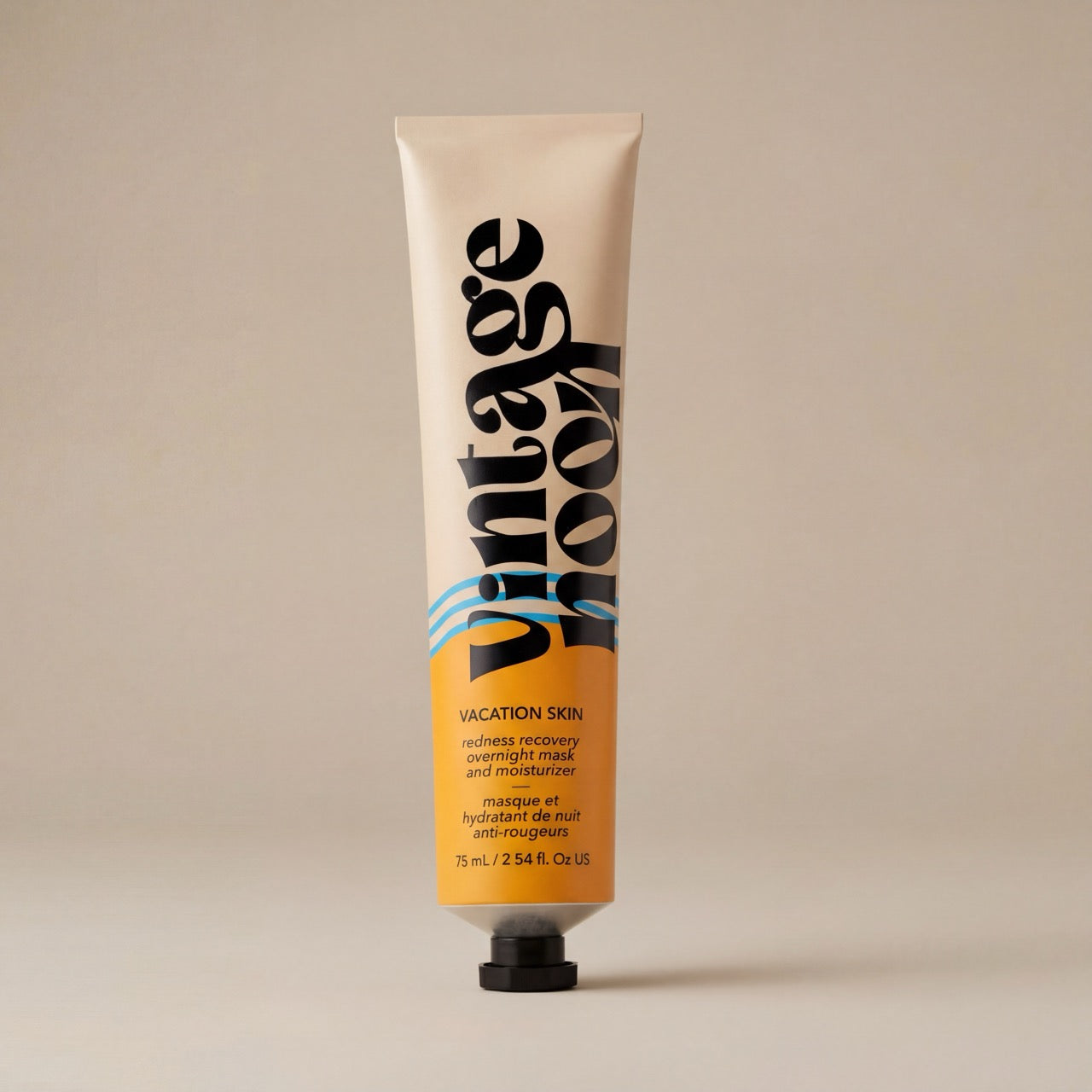
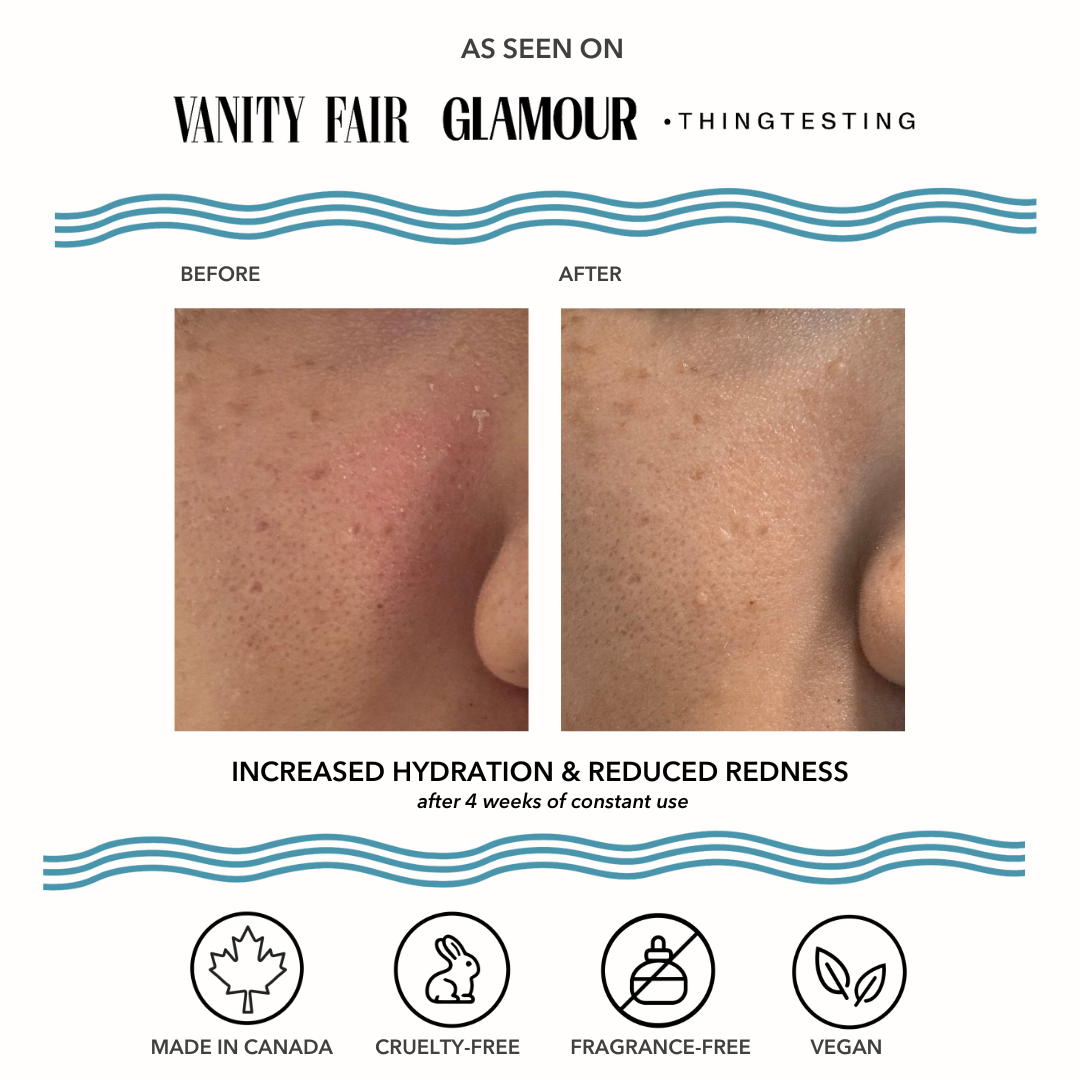
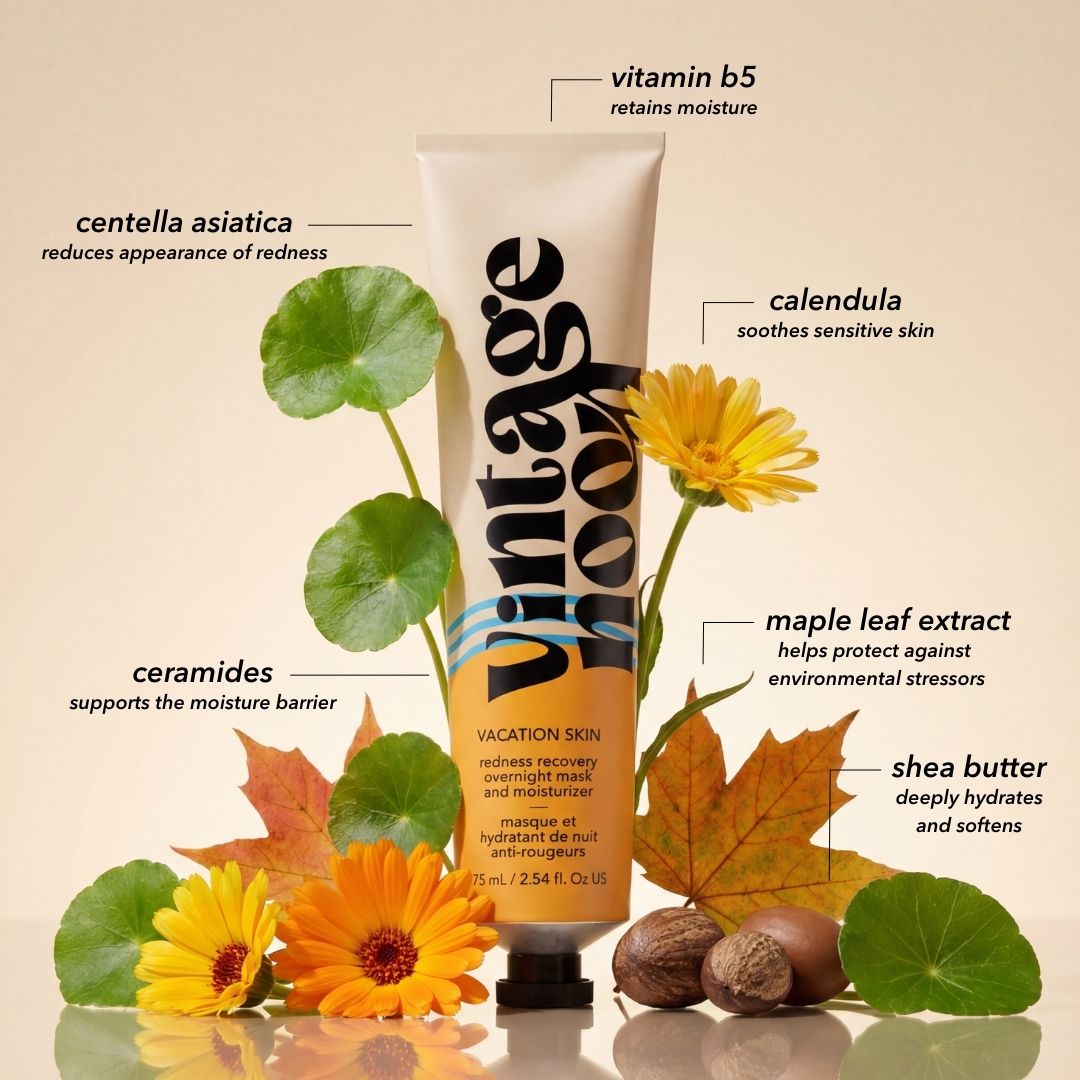
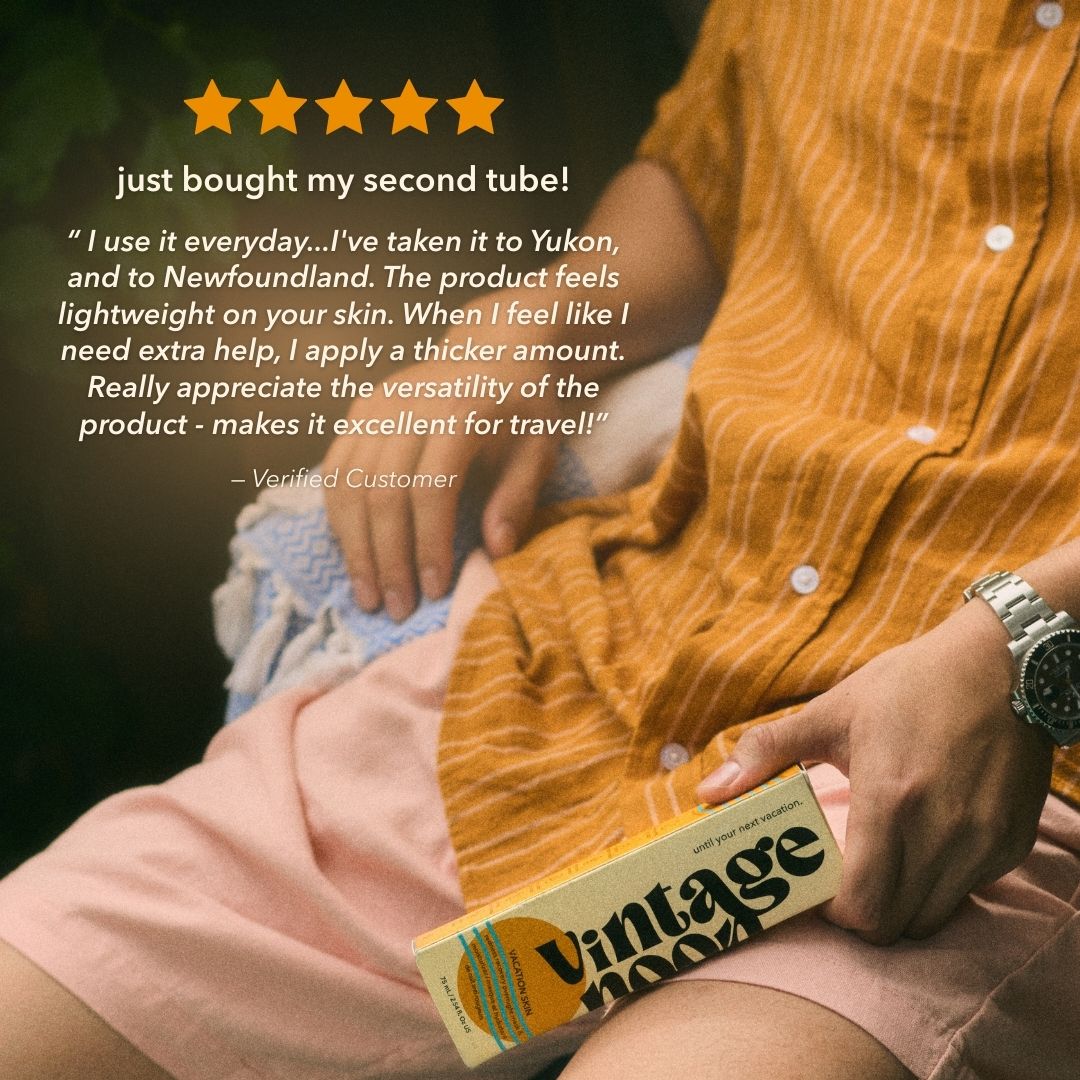
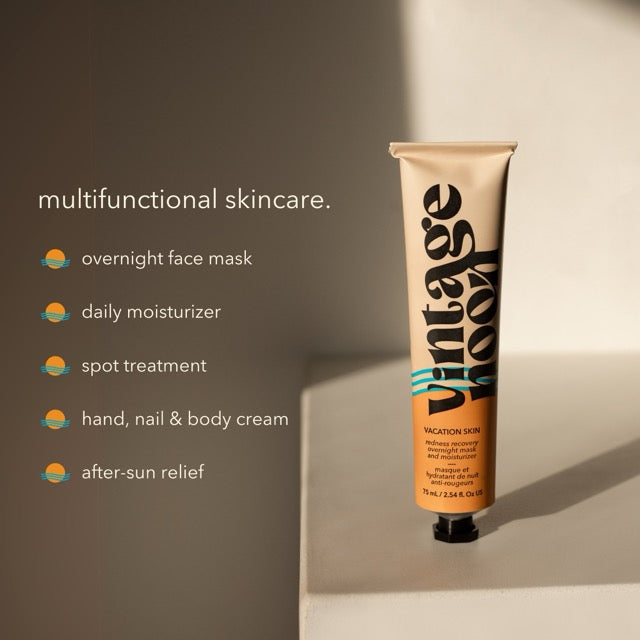
At Vintage Noon, every formula is built barrier-first, made in Canada for sensitive, redness-prone skin. Our Vacation Skin Overnight Mask & Moisturizer combines Cica, ceramides, and hydrating botanicals to repair your barrier while you sleep, and it doubles as your nighttime moisturizer, so your routine stays simple while your skin recovers.
Frequently Asked Questions
Can a damaged skin barrier repair itself?
Yes. Skin is designed to self-repair. Your job is to remove the stressors (actives, fragrance, over-cleansing) and supply barrier-supporting ingredients so it can rebuild faster.
What should you not use on a damaged skin barrier?
Avoid exfoliating acids (AHAs and BHAs), retinoids, vitamin C, physical scrubs, alcohol-heavy toners, and fragranced products until your barrier is fully recovered.
How do I know my barrier is healed?
When the tightness, stinging, and unexplained redness are gone and your skin tolerates your usual moisturizer comfortably, your barrier has recovered. Reintroduce actives slowly, one at a time.
Does hard water or travel affect the skin barrier?
Yes. Hard water, dry cabin air, and changing climates all strip moisture and stress the barrier, which is why skin often reacts on vacation. A richer barrier routine while traveling helps.